Preventing Home Fires: Expert Tips for Year-Round Protection
Home is more than four walls and a roof—it’s family, memories, and everything worth protecting. Yet every year, thousands of homeowners face the devastating impact of fire_damage. It’s sudden, merciless, and leaves lives changed in an instant.
At Fire Damage Restore, we see firsthand how fast a single spark can upend your life. But there’s hope. With the right habits and some simple know-how, you can make your home a fortress against fire, no matter the season.
Common Causes of Home Fires
Most house fires don’t start as raging infernos—they begin quietly, in the background. According to the National Fire Protection Association (NFPA), the most common culprits include:
- Kitchen accidents: Unattended cooking is the leading cause of home fires. Grease, a forgotten pan, or a flammable towel near a burner can turn dinner into disaster in seconds.
- Electrical hazards: Frayed cords, overloaded outlets, and aging wiring are like ticking time bombs. Extension cords under rugs? A recipe for trouble.
- Heating equipment: Space heaters, chimneys, and furnaces, especially during cold snaps, cause many fires. Wood stoves and fireplaces need regular inspection.
- Smoking materials: Cigarettes, cigars, or pipes improperly extinguished can smolder for hours before sparking a blaze.
- Candles and open flames: One gust of wind, one curious pet, and a candle goes from cozy to catastrophic.
- Lightning or severe weather: Storms can knock out power or start fires, especially if wiring is compromised.
Knowing these risks is the first step. But awareness alone doesn’t keep your family safe.
Everyday Fire Safety Habits 🔥
Think of fire safety as brushing your teeth—it’s a daily habit, not a once-a-year event. Here’s what you can do, right now:
- Never leave cooking unattended. If you must step away, turn off the stove.
- Keep combustibles away from heat. Ovens, heaters, and candles need at least three feet of clearance.
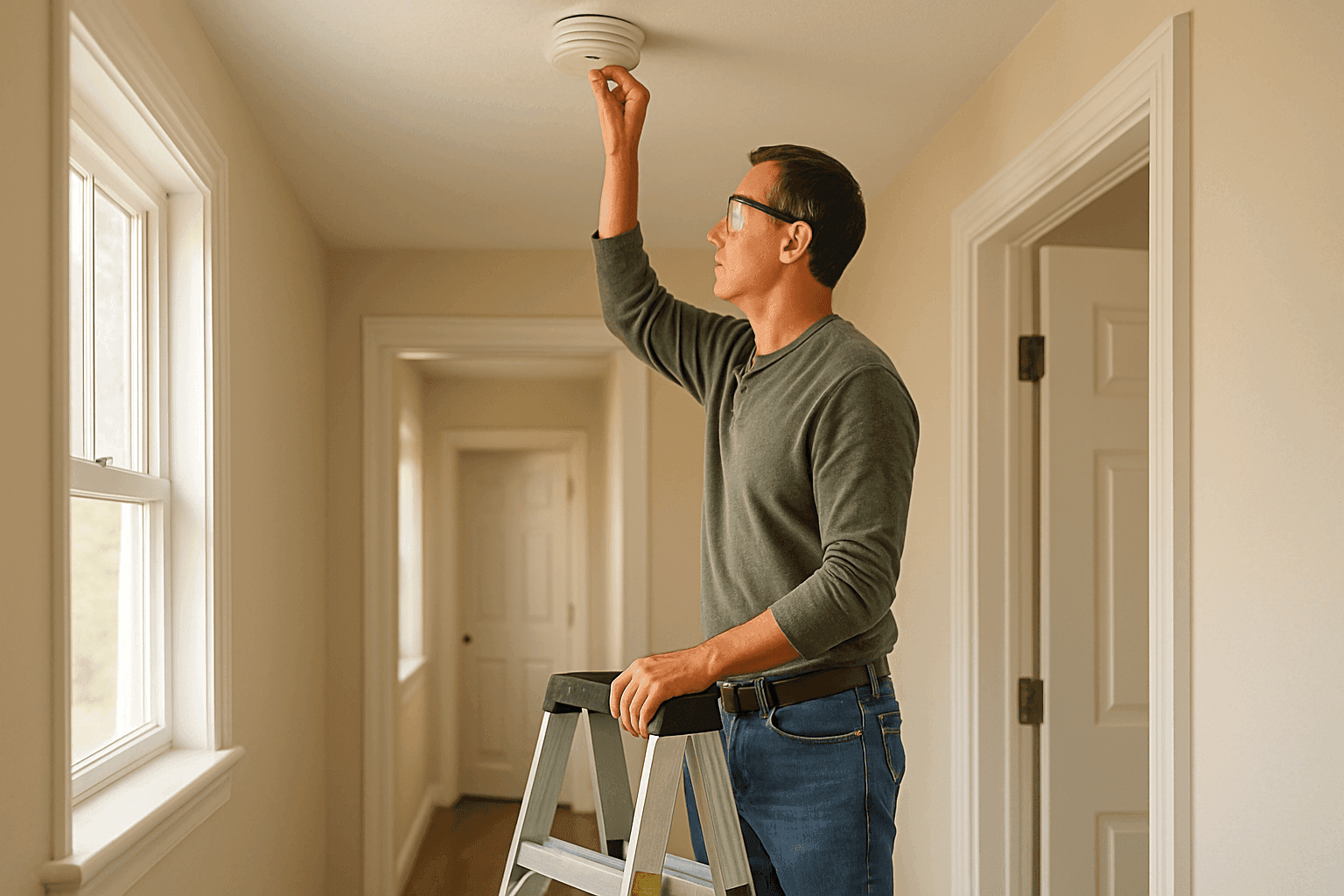
- Test smoke detectors monthly. Change batteries twice a year, or whenever you change your clocks.
- Inspect electrical cords. If you see fraying or exposed wires, replace them immediately.
- Limit use of extension cords. Don’t daisy-chain them or hide them under carpets.
- Store matches and lighters high and out of reach. Kids are naturally curious; don’t make it easy.
- Clean dryer vents. Lint is highly flammable and builds up fast.
- Blow out candles before leaving a room. Don’t rely on memory—make it automatic.
- Plan your escape. Have two exits from every room. Practice fire drills with your family.
Seasonal Fire Prevention Strategies
Each season brings unique fire risks. Like weather, prevention strategies must shift with the calendar.
Winter
- Chimney and furnace checks: Schedule annual inspections before using.
- Space heater safety: Place on hard, nonflammable surfaces. Never use with extension cords.
- Frozen pipes: Avoid using open flames to thaw pipes. Insulate or use a hair dryer instead.
- Holiday lights: Inspect for fraying; turn off before bed.
Spring
- Check and clean BBQs: Grease buildup can ignite. Store propane tanks outdoors.
- Yard debris: Clear leaves and branches near your home.
- Storm prep: Secure outdoor power sources and repair damaged wiring after storms.
Summer
- Grill safely: Keep grills away from siding and deck railings.
- Fire pits: Use a screen to contain sparks. Never leave unattended.
- Lightning protection: Ensure surge protectors are working.
Fall
- Leaf cleanup: Dry leaves are tinder. Rake regularly.
- Heater maintenance: Test before first use.
- Smoke detector battery swap: Use daylight saving time as a reminder.
Quick Home Fire Safety Checklist
- Smoke alarms on every level and in every bedroom
- Carbon monoxide detectors, especially near sleeping areas
- Fire extinguishers in kitchen, garage, and utility rooms
- Clear two exits from every room
- Family escape plan practiced twice a year
- No overloaded power strips or hidden cords
- Flammable items at least three feet from heat sources
- Chimney and furnace cleaned annually
- Lint trap emptied after every dryer use
- Grills and fire pits kept a safe distance from structures
DIY vs. Call a Pro
Some fire prevention steps are DIY-friendly. Testing smoke detectors? Easy. Replacing a frayed extension cord? Simple.
But when it comes to more technical risks—like electrical wiring, chimney cleaning, or structural repairs—leave it to trained professionals. Fire Damage Restore offers services such as Dehumidification near you, smoke and soot removal, and technical reconditioning that require expert equipment and know-how.
If you’re ever in doubt, it’s safer (and more cost-effective) to call in the pros.
What Pros Do On Arrival
When you call Fire Damage Restore after a fire, here’s what happens next:
- Emergency board-up: We secure windows and doors to prevent further damage.
- Damage assessment: Specialists inspect every area, from attic to basement, for visible and hidden fire_damage.
- Water extraction and dehumidification: After extinguishing, water can trigger mold or corrosion. We dry everything fast.
- Corrosion control and odor removal: Soot and smoke cause lasting harm if not dealt with immediately.
- Content cleaning and pack-out services: We carefully inventory, clean, and store your belongings while repairs begin.
- Structural stabilization: Safety first—weak areas are reinforced before reconstruction.
- Remote monitoring: We track temperature, humidity, and air quality during recovery.
- Insurance restoration: Our team works with your insurer, documenting every step for smooth claims.
Prevention & Maintenance
Fire prevention isn’t a one-time fix. It’s a cycle of regular checks and smart habits.
- Monthly: Test alarms. Inspect cords. Check fire extinguisher pressure.
- Seasonally: Clean gutters, chimneys, and dryer vents. Inspect heating/cooling appliances.
- Annually: Update your fire escape plan. Replace appliances that have seen better days.
Safe storage matters too. Flammable materials like paint, gasoline, and cleaning agents should be kept in approved containers, away from living spaces, and out of direct sunlight.
Costs & Time Factors
The cost of fire prevention is pennies compared to the price of recovery. Smoke detectors and fire extinguishers are inexpensive. Professional inspections—think chimneys or electrical panels—may range from modest to moderate, but the peace of mind is priceless.
Recovery after a fire is different. It can take days for minor smoke cleanup, or months for full reconstruction. The fastest way back to normal? Preparation and quick response.
When It’s an Emergency
Some situations demand immediate action:
- You smell smoke and can’t find the cause
- Electrical outlets are hot to the touch or sparking
- Your fire alarm won’t stop sounding, and you see no fire
Don’t wait. Get everyone out. Call 911. Then reach out to Fire Damage Restore. We’re available 24/7 for emergency board-up, temporary power, and fast damage assessment.
FAQ
How often should I test my smoke detectors?
The NFPA recommends testing smoke alarms monthly and replacing batteries every six months.
What should I do if I smell burning plastic or see scorch marks near outlets?
Turn off power to that circuit from your breaker box. Don’t use the outlet. Call a qualified electrician or Fire Damage Restore for an assessment.
Are fire extinguishers required in homes?
Building codes vary, but the U.S. Fire Administration and most local fire departments recommend having a multi-purpose fire extinguisher on every floor.
Local/Seasonal Considerations
Extreme weather—ice storms, freezing winters, summer lightning—brings extra risk. After storms or power outages, inspect your home for damage. Moisture from flooding or leaks can corrode wiring or appliances, increasing fire risk. Quick dehumidification near you keeps your home safe, and Fire Damage Restore is ready with emergency services when you need them.
Remember: fire safety is a journey, not a destination. Every small step matters.
Call Fire Damage Restore now — or reach us anytime at 844-459-2684 .