How Much Does Fire Damage Restoration Cost? A Homeowner’s Guide
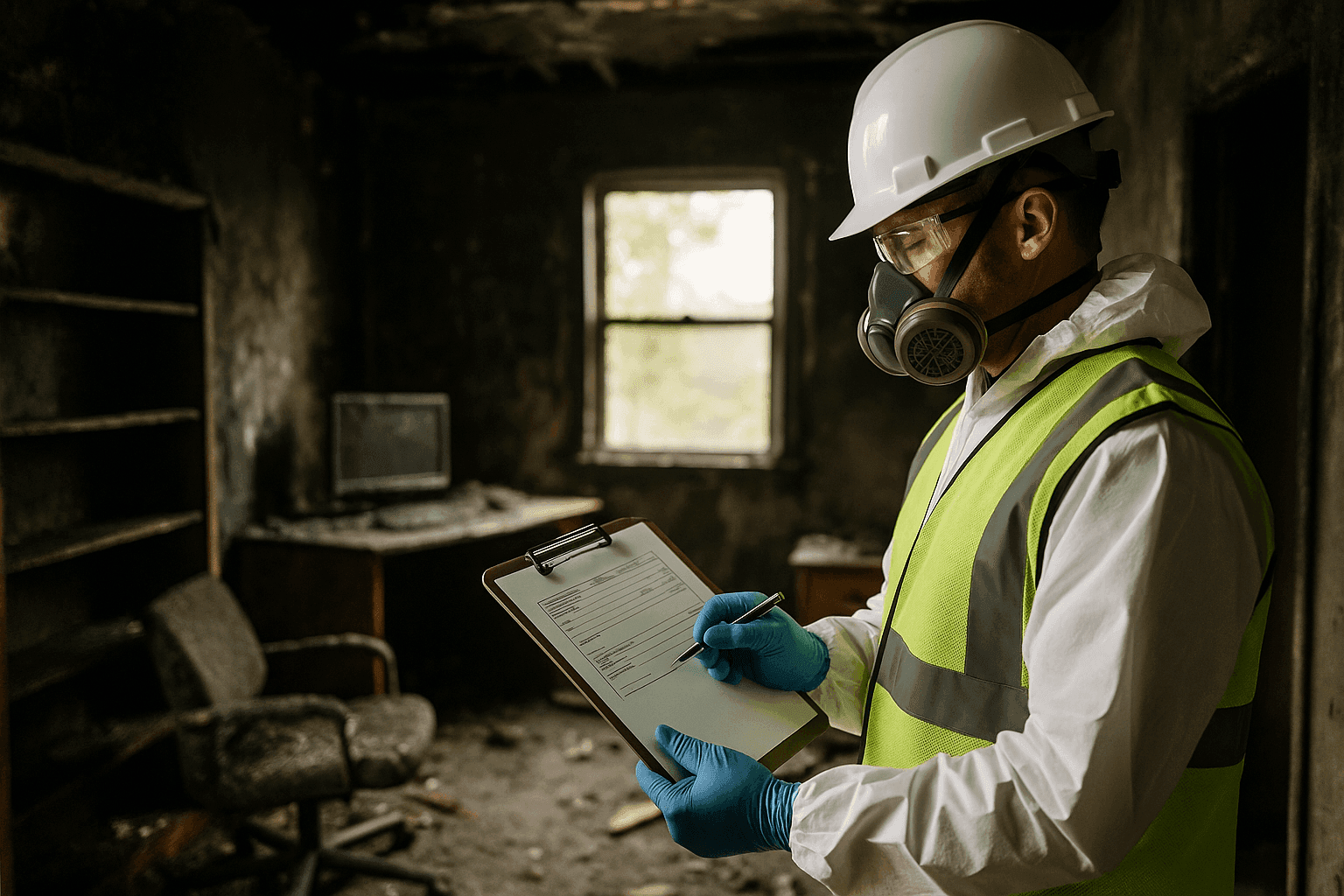
When fire strikes, there’s no such thing as a “small” disaster. One minute you’re staring at a normal home, the next, you’re standing in smoke, confusion, and worry. What will it cost to put your life back together? How do you know you’re not being taken for a ride?
At Fire Damage Restore, we understand the weight on your shoulders. That’s why we believe in clear answers and honest guidance—so you can make decisions with your eyes wide open, not through a haze of stress.
Factors That Impact Restoration Costs 🔥
Fire damage is rarely straightforward. Every home, every fire, tells its own story. The cost of restoring your property depends on a handful of major factors—some obvious, some that sneak up on you:
- Size of the damaged area: A kitchen fire may scorch a few cabinets, while a whole-house blaze can impact everything from attic beams to basement joists.
- Type of fire: Grease fires, electrical mishaps, and wildfires each leave behind different types of residue and destruction.
- Depth of damage: Surface soot can often be cleaned, but structural burns or melted wiring require much more work.
- Water and mold issues: Water from firefighting can lead to hidden problems like mold, demanding thorough dehumidification near you.
- Smoke and odor penetration: Sometimes, smoke seeps deep into walls, insulation, and flooring.
- Materials affected: Hardwood, drywall, textiles, and electronics all handle heat and smoke differently—and some cost more to fix.
- Accessibility: Tight crawlspaces or upper-story repairs can mean extra labor.
- Urgency and time of year: After storms or freezes, demand for restoration soars, which may raise costs (and wait times).
No two jobs are identical. Professional assessment is the only way to map out the true scope—and cost—of your fire_damage.
Typical Services and Their Price Range 💸
A full-service provider like Fire Damage Restore offers a spectrum of solutions, from immediate safety to final polish. Here’s what you might encounter:
Emergency Board-Up & Temporary Power
Before anything else, your home must be secured. Board-up services and temporary power installations prevent further damage and keep your property safe.
- Board-up and fencing: Can run from a few hundred to a couple thousand dollars, depending on what needs protection.
- Temporary power: Ranges from a few hundred for basic setups to more for complex needs.
Water Extraction & Dehumidification
If water was used to battle the flames, quick action is critical. Standing water and high humidity breed mold and ruin materials.
- Water extraction: Usually $1,000–$4,000+ based on volume and affected spaces.
- Dehumidification: Several hundred to a few thousand dollars, depending on duration and area.
Smoke and Soot Removal
Smoke and soot are sneaky. They stain, corrode, and smell. Professional cleaning is a must.
- Soot removal and cleaning: Often $2,000–$6,000+ depending on home size and item count.
- Odor removal: Can be $500–$2,000+ for ozone treatments and air scrubbing.
Structural Repairs & Reconstruction
From drywall to framing, some things just can’t be cleaned—they need to be rebuilt.
- Minor repairs: A few thousand dollars for drywall or minor carpentry.
- Major reconstruction: $10,000–$50,000+ for larger portions of the home.
Specialty Services
- Corrosion control and technical reconditioning: Protects appliances and electronics, often $1,000–$5,000.
- Content cleaning and pack-out services: $1,000–$10,000+ depending on volume and salvageability.
These are ballpark ranges. According to the National Fire Protection Association and the Institute of Inspection Cleaning and Restoration Certification (IICRC), total fire_damage restoration for a typical home may fall anywhere from $3,000 for small incidents to $80,000 or more for extensive reconstruction. Always get a transparent, itemized estimate.
Understanding Insurance Coverage 📝
Insurance is supposed to be a safety net, but the process can feel like walking a tightrope. Here’s what you should know:
- File promptly: The sooner you notify your insurer, the smoother the claim.
- Document everything: Take photos, save receipts, jot notes. Details matter.
- Know your policy: Most standard policies cover fire_damage, but there may be limits on temporary housing, valuables, or special contents.
- Beware of exclusions: Some policies exclude smoke-only damage, or have caps on certain items.
- Work with your restoration provider: A reputable company will help document damage for claims and may even communicate with your adjuster.
The Insurance Information Institute and local building codes are good references. Still, every policy is unique. Read it carefully, or consult a licensed public adjuster if you’re unsure.
Cost-Saving Tips for Homeowners 💡
Nobody wants to pay more than they have to. Here are ways to keep costs under control:
- Act fast: The sooner cleanup starts, the less secondary damage.
- Ask for an itemized estimate: Transparency prevents “mystery” charges.
- Don’t skimp on assessment: A professional’s trained eye can spot hidden issues early, saving thousands down the line.
- Salvage what you can: Not everything needs to be replaced—some belongings may be cleaned and restored.
- Bundle services: Using one provider for multiple services (like dehumidification near you, pack-out, and reconstruction) may lower overall costs.
- Check for local assistance: After large disasters, local or state agencies sometimes offer relief funds.
Remember: the cheapest fix can quickly become the most expensive mistake. Fire_damage is complex, and cut corners can come back to haunt you.
Why Professional Assessments Matter
Fire-damaged homes are like icebergs—what you see is only part of the problem. Hidden moisture, structural weakness, and lingering toxins aren’t always obvious. A professional assessment uses tools like moisture meters, thermal cameras, and air quality tests to find problems before they get worse.
A clear, written estimate should outline:
- The scope of work
- Materials and methods to be used
- Timeline for completion
- Any exclusions or “unknowns” that could affect cost
If an estimate seems vague or rushed, press pause. Your home and health are too important for guesswork.
Choosing Reputable Providers—and Avoiding Scams
After a fire, you’ll see a flurry of activity—contractors, adjusters, and sometimes, unfortunately, opportunists. Here’s how to stay safe:
- Look for certifications: IICRC, EPA, and state contractor licenses.
- Demand references: Past customers can tell you a lot.
- Never pay in full upfront: Small deposits are standard, but full payment before work begins is a red flag.
- Check written contracts: Make sure they detail every service, cost, and timeline.
- Be wary of high-pressure sales: Honest providers give you space to decide.
A good provider puts your needs first, communicates clearly, and welcomes questions.
Seasonal Factors: Why Timing Can Affect Cost ⏳
Fire doesn’t keep a calendar, but the world around it does. After major storms, freezes, or wildfire seasons, demand for restoration can spike overnight. That may mean:
- Longer wait times for assessments and repairs
- Higher costs due to scarcity of materials or skilled labor
- Increased competition for temporary housing
If you’re in a region prone to seasonal events, it pays to have a restoration plan in place—just like you’d have a fire drill.
Budgeting Effectively for Fire Damage Restoration
Restoring your home after a fire is like rebuilding after a storm—unexpected, overwhelming, but not impossible. Build your budget with these steps:
- Request detailed estimates from licensed providers.
- Factor in extra costs for temporary housing, meals, and storage.
- Keep a contingency fund—unexpected repairs are common.
- Work closely with your insurance company to understand coverage.
Transparency is your best defense. If something doesn’t add up, ask.
Fire Damage Restoration FAQ
How long does fire damage restoration usually take?
Small jobs may wrap up in a week or two, while major reconstruction can stretch for months. The timeline depends on the severity, complexity, and availability of materials and labor.
Can I clean up fire damage myself?
Surface cleaning is possible for minor soot, but deeper issues—like water intrusion, structural burns, and toxic residues—require professional equipment and expertise. DIY attempts may put your health at risk and void insurance claims.
What should I save from a fire-damaged home?
If it’s safe, gather important documents, valuables, and essential medications. Leave structural items and electronics to the professionals, as hidden hazards may exist.
Will fire damage restoration remove all odors?
Professional odor removal is highly effective, but in extreme cases, some materials may need to be replaced. Modern techniques like ozone treatment and HEPA air scrubbing can neutralize most lingering smells.
The Bottom Line
Restoring your home after fire_damage is never easy, but with the right information and a reputable team, it’s possible to move forward—one step, one room, one day at a time. Don’t let uncertainty add to your stress. At Fire Damage Restore, we’re here to walk you through every stage, from assessment to final polish.
Call Fire Damage Restore now — or reach us anytime at 844-459-2684 .