Fire Damage Recovery: What Every Homeowner Should Do First
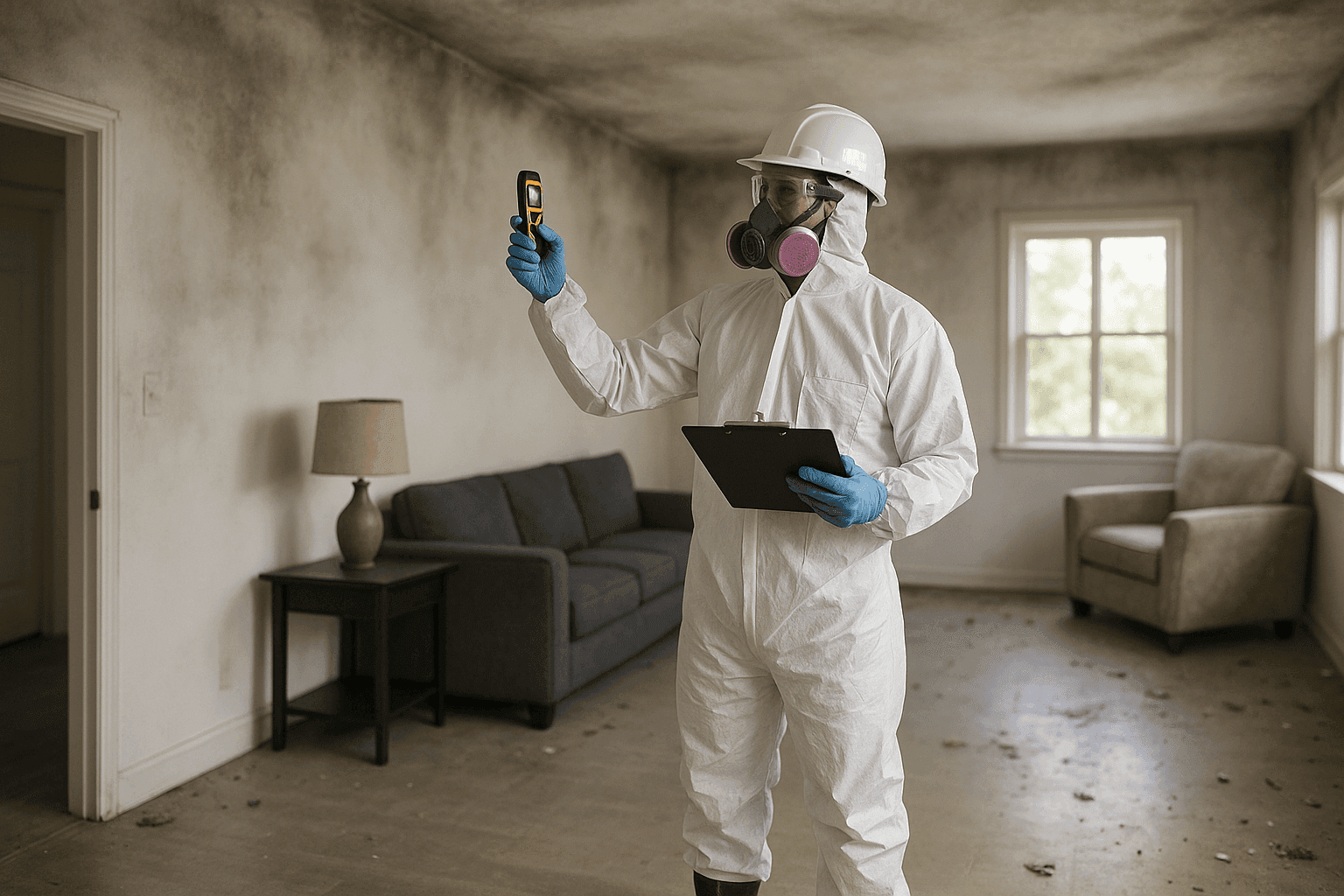
Fires upend lives in an instant. The smell of smoke, the rush of emergency lights, the disbelief as you stand outside your home—these moments blur together. When the flames subside, the real work begins. At Fire Damage Restore, we know what it takes to get you safely back on your feet.
Whether the fire was minor or devastating, your first steps after fire_damage will shape your recovery. This guide explains exactly what to do, what to avoid, and how to protect what matters most.
Ensure Safety First 🛑
Nothing matters more than your safety and that of your loved ones. Fire-damaged homes are unpredictable, like walking across a frozen pond after a thaw—every step needs care.
- Wait for the All-Clear: Only firefighters or emergency officials can confirm when it’s safe to re-enter. Smoke, hidden embers, or structural weaknesses can linger.
- Check for Injuries: If anyone is hurt, call 911 immediately. Don’t try to move seriously injured people unless absolutely necessary.
- Shut Off Utilities: If accessible and safe, turn off gas, electricity, and water at the main switches. Gas leaks and electrical hazards are common after fire_damage.
- Protective Gear: If you must go inside, wear sturdy shoes, gloves, long sleeves, and a mask. Soot and ash can harm your lungs and skin.
- Beware of Hazards: Watch for unstable ceilings, sagging floors, broken glass, and exposed wires.
If you have pets, keep them away from the scene until it’s secure—they may be drawn to familiar smells but can inhale harmful particles.
Contact Emergency Services and Your Insurance 📞
Act quickly, but don’t rush blindly. This phase is about building your support team.
- Emergency Services: If the fire is still active, or you spot smoke or hot spots, call 911 again right away.
- Notify Your Insurance Provider: Start your claim as soon as possible. Many policies require prompt notification for fire_damage.
- Document Everything: Take photos and videos of all affected areas—inside and out—before moving items. Record serial numbers, descriptions, and approximate values if possible.
- Don’t Discard Anything Yet: Even ruined items may be needed as evidence for your claim.
If you need a safe place to stay, ask your insurer about temporary housing options. Keep all receipts for food, lodging, and essentials—you may be reimbursed.
Prevent Further Damage
Fire_damage doesn’t end when the flames stop. Water, weather, and trespassers can make things worse.
- Emergency Board-Up: Secure windows and doors with plywood to keep out rain, wind, and unwanted visitors.
- Temporary Fencing: Erect fencing around the property if needed, especially if the home is vacant or in a busy area.
- Roof Protection: Use tarps to cover holes in the roof, but only if it’s safe to do so. Water intrusion is a top cause of secondary damage.
- Move Valuables: If possible, remove undamaged valuables (jewelry, important documents, electronics) to a secure location.
- Dehumidification: Even if you don’t see standing water, moisture from firefighting can soak walls and floors. Prompt dehumidification near you is critical to prevent mold.
Remember: Never use household vacuums or fans on soot or smoke-damaged areas—this can spread contamination or cause further harm.
Quick Safety Checklist
- Wait for official clearance before entering.
- Cut power, gas, and water at the source—if safe.
- Photograph and film all damage before moving anything.
- Wear protective clothing and a mask.
- Secure property with board-up and fencing.
- Remove valuables only if safe.
- Call your insurance company to start your claim.
DIY vs. Call a Pro
It’s tempting to start cleaning up right away. Resist. Fire_damage is tricky—like tangled fishing line, what seems simple can quickly get worse.
When DIY is Okay:
- Retrieving essential items (if safe).
- Photographing for insurance.
- Placing tarps on small, accessible areas.
When to Call a Pro:
- Smoke and soot removal.
- Water extraction and dehumidification.
- Structural stabilization.
- Odor and corrosion control.
- Pack-out and content cleaning.
- Emergency board-up and fencing.
- Technical reconditioning.
Professionals use specialized equipment and follow standards like those from the National Fire Protection Association (NFPA) and the Institute of Inspection Cleaning and Restoration Certification (IICRC). This safeguards your health and helps with insurance compliance.
What Pros Do On Arrival
Expect a step-by-step process that puts safety and restoration first.
- Damage Assessment: Inspect all areas for safety, structural issues, and hidden risks.
- Immediate Stabilization: Secure the building with board-up, fencing, or temporary power if needed.
- Water Extraction: Remove excess water from firefighting, then start dehumidification.
- Smoke and Soot Removal: Use commercial HEPA vacuums and filtered air scrubbers.
- Corrosion Control: Treat metal surfaces fast—soot and moisture can rust appliances and pipes within hours.
- Odor Removal: Specialized foggers and ozone machines wipe out stubborn smoke smells.
- Content Cleaning: Salvage and restore items with ultrasonic and chemical techniques.
- Pack-Out Services: Move undamaged possessions to secure, climate-controlled storage.
- Reconstruction: Begin repairs, from drywall to roofing, once clearance is given.
Every step follows industry guidelines for safety and restoration. Ask for a written scope of work and timeline.
Prevention & Maintenance
Once recovery begins, think about the future.
- Install Smoke Alarms: Place alarms on every floor, inside bedrooms, and outside sleeping areas. Test monthly.
- Fire Extinguishers: Keep at least one on each level, especially in the kitchen and garage.
- Electrical Safety: Have wiring checked by a licensed electrician after any fire_damage.
- Create an Evacuation Plan: Practice with family and pets twice a year.
- Seasonal Checks: Before holidays or winter storms, clean chimneys, inspect heaters, and clear debris from gutters.
Regular maintenance reduces risk and helps you spot problems before they flare up.
Costs & Time Factors
Every fire is different. Costs and timelines depend on:
- Size of the fire_damage area
- Type of materials burned
- Extent of water or smoke damage
- Structural repairs required
- Specialty services needed (e.g., dehumidification near you, pack-out, technical reconditioning)
Minor jobs—think a small kitchen fire—may be resolved in days or weeks. Major structural fires can take months. Most insurance policies cover reasonable restoration costs, but always review your policy details.
When It’s an Emergency 🚨
Some situations can’t wait.
- Active Smoldering: If you see smoke or smell hot metal, leave immediately and call 911.
- Structural Collapse: Sagging ceilings, bowing walls, or cracked foundations are red flags.
- Hazardous Materials: If you suspect chemicals, asbestos, or lead, keep out and call professionals.
- Medical Emergencies: Breathing trouble, burns, or symptoms of carbon monoxide poisoning require immediate medical attention.
Don’t wait for secondary damage to spread. Quick action can save your home, your health, and your wallet.
FAQ
How soon should I call my insurance company after fire_damage?
As soon as possible. Most policies require immediate notification. Early documentation speeds up claims.
Can I clean smoke and soot myself?
It’s not recommended. Soot particles are toxic and can embed in fabrics and surfaces. Professional smoke and soot removal ensures safety and better results.
What should I do with food and medicine after a fire?
When in doubt, throw it out. Smoke, heat, and firefighting chemicals can contaminate consumables—even if packaging looks intact.
Is it safe to stay in my home during cleanup?
Not always. Air quality and structural safety must be assessed first. Follow guidance from fire officials and restoration professionals.
Local/Seasonal Considerations
Fire_damage isn’t limited to one season. But risks peak during certain times:
- Holidays: More cooking, candles, and decorations mean more ignition sources.
- Storms: Lightning, downed power lines, and generator mishaps cause unexpected fires.
- Winter: Heaters, fireplaces, and overloaded outlets are common culprits.
- Wildfire Zones: Keep defensible space around your property and store valuables in fireproof safes.
Check local building codes and fire marshal recommendations for added protection. Fire Damage Restore keeps up with best practices year-round to help you prepare.
When disaster strikes, you don’t have to navigate recovery alone. Fire Damage Restore is ready to help you reclaim your home safely and efficiently.
Call Fire Damage Restore now — or reach us anytime at 844-459-2684 .